


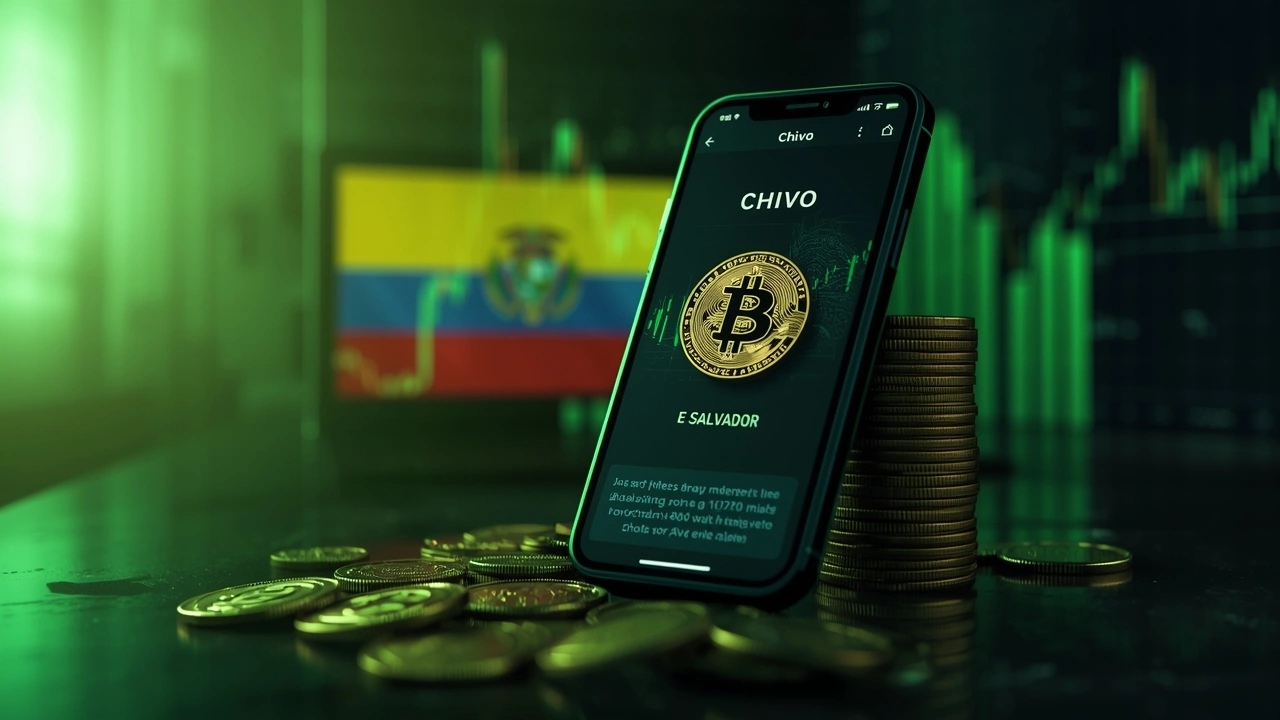
El Salvador did not spend a single public dollar on Bitcoin. That is what the IMF says after its review. For the country that first made BTC legal tender, this is a big distinction.
What the IMF actually checked
It all started back in September 2021, when El Salvador became the first country to recognize Bitcoin as official currency alongside the dollar. The government back then spent public money on BTC for years, sometimes buying one coin a day, and the reserve grew to several thousand coins.
Things changed in early 2025, when El Salvador agreed with the IMF on a large financing program. It was a credit line worth over a billion dollars, one of the biggest IMF programs for a Central American country in recent years. Bukele publicly accepted the terms, despite years of criticizing the fund for meddling in domestic politics.
The fund set one condition: no new budget money for the Bitcoin reserve. Only purchases with private funds that never pass through the state treasury were allowed.
The fund looked at every Bitcoin added to the state reserve after June 2025. The conclusion is simple. Private donors paid for these purchases, and the national budget had nothing to do with it.
In November, the country announced a $100 million Bitcoin purchase. The question came up instantly. Where did the money come from if the budget was frozen for such buys?
El Salvador's reserve stays exposed to BTC price swings because of this setup. When the price drops, the dollar value of the reserve drops too, and critics of the fund have pointed this out before.
Why the IMF stayed quiet for months
News of the $100 million purchase spread across the crypto market fast. Some saw it as a breach of the IMF agreement. Others called it a simple mix-up in terminology. Bukele himself was in no rush to explain where the money came from.
Right after the November news, an IMF representative told Cointelegraph the fund would not give "running commentary" on every government announcement. Compliance with the program would be assessed later, without rushing.
The pause dragged on for nearly ten months. During that time, the question stayed open for traders and for critics of Bukele's policy alike. Transparency around state crypto reserves has been a sore subject for years now. Analysts and journalists keep asking governments to publish wallets and transactions, but most countries, El Salvador included, only release broad figures.
What happens to the Chivo wallet
Chivo launched right alongside El Salvador's shift to Bitcoin in 2021. The state handed out a starting $30 in BTC through it to anyone who signed up, and this wallet was the main channel for buying the reserve.
At launch, Chivo was meant to become the main wallet for millions of Salvadorans in everyday spending. A mass shift to Bitcoin in daily life never really happened. Most people still prefer cash dollars, and Chivo ended up more of a state tool for reserves than an everyday payment app.
The second key point of the review concerns Chivo itself, the state crypto wallet through which millions of Salvadorans receive and hold BTC. Majority ownership and operational control of the wallet moved to a private operator.
The government kept a smaller stake and remains responsible for safeguarding user funds. The private operator now handles product development and the technical side. The IMF says plainly that no further reserve growth beyond documented donations is expected.
How much these donations are worth and who exactly is behind them, the fund does not detail. That leaves room for questions even after the official clarification.
What this means for regular people
- Bitcoin purchases after June 2025 are funded by private donors, not the budget.
- Control over the Chivo wallet moved to a private operator, with the state keeping a smaller stake.
- The IMF does not expect new purchases with public funds anytime soon.
- The November $100 million purchase was the trigger for this whole review.
For most people, this story is mainly about trust in government statements, not about personal wallets. El Salvador remains the only country where Bitcoin is recognized as official legal tender.
El Salvador is not alone in eyeing a state Bitcoin reserve. Other governments have floated similar ideas in recent years, though none has gone this far in law. That is exactly why traders and regulators watch every move El Salvador makes so closely.
Bitcoin has no legal tender status in Ukraine, but interest in holding it as a personal reserve keeps growing. The logic is the same as El Salvador's at the state level. Preserve value when something goes wrong with traditional money. Some people regularly buy Bitcoin with hryvnia in small amounts for exactly that reason.
What comes next
The IMF made it clear that the state treasury will no longer take part in growing the reserve. Any future purchases, if they happen, are supposed to stay a private matter tied to Chivo. For the market, this reads more like a stability signal than fresh drama. The rules of the game for El Salvador are now written down.
The next major review of the program with the IMF should follow the usual schedule. That is when it will become clear whether El Salvador keeps its own promises. For the rest of the world, this case becomes a benchmark. Whether state enthusiasm for Bitcoin can coexist with the terms of international lenders remains to be seen.
Comments
Your email address will not be published. Required fields are marked *