


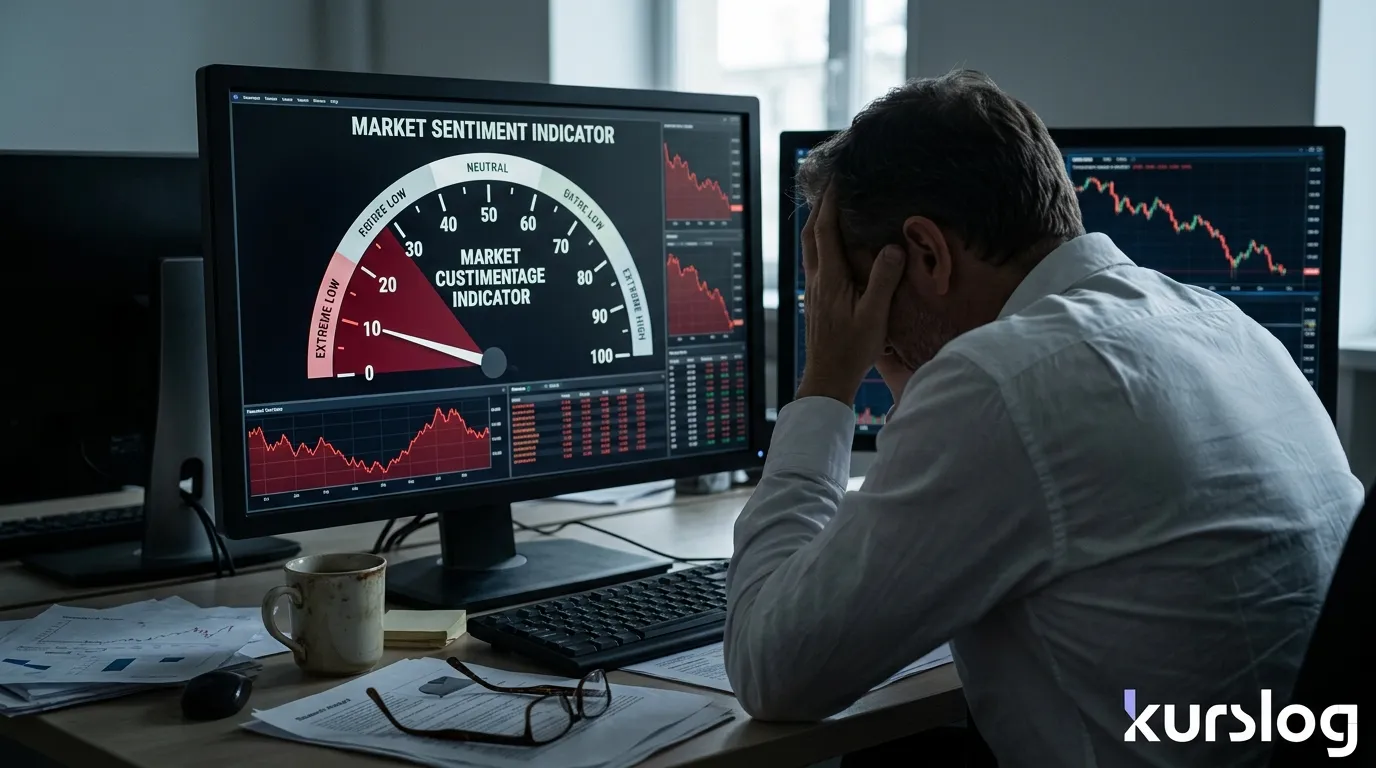
The Crypto Fear & Greed Index has plummeted to 10 out of 100, recording one of the deepest extreme fear levels in recent years. Just a month ago, the indicator stood at 20 - the rapid decline reflects a sharp deterioration in sentiment following geopolitical upheaval and macroeconomic pressure.
What This Indicator Means
The Fear & Greed Index is a composite indicator that factors in market volatility, trading volumes, social media activity, survey results, Bitcoin dominance, and general trends. The scale runs from 0 to 100, where 0-24 means extreme fear, 25-49 is fear, 50 is neutral, 51-74 is greed, and 75-100 is extreme greed.
A reading of 10 suggests mass panic among market participants. Investors are actively exiting positions, funding rates are negative, and risk appetite is near zero.
Why Sentiment Collapsed
The primary driver was the escalation of conflict between the US, Israel, and Iran, which triggered Bitcoin's crash to $63,000 over the weekend. Additional pressure comes from macroeconomic factors: the Nasdaq and S&P 500 posted their largest monthly declines since March last year, and PPI inflation data exceeded forecasts.
Open interest on Binance contracted 25% since the start of the year, funding rates turned negative on several exchanges, and Ethereum dropped below the psychological $2,000 mark - all amplifying panic sentiment.
Historical Statistics
Historical data provides grounds for cautious optimism. When the Fear & Greed Index dips below 15, the average 30-day forward return for Bitcoin has been positive in roughly 80% of instances. These levels are traditionally considered maximum accumulation zones for long-term investors.
The typical duration of extreme fear periods (below 15) ranges from 3 to 14 days before a relief bounce pushes the index back toward the 20-30 range. However, during major bear markets, this period can extend to several weeks, so investors should be prepared for various scenarios.
Contrarian Opportunities
Legendary investor Warren Buffett is famous for saying "be greedy when others are fearful." This is precisely the strategy crypto whales are employing: according to on-chain analytics, large wallets are actively accumulating Bitcoin and Ethereum at current levels, viewing the panic as a long-term entry opportunity.
At the same time, risks remain substantial. Geopolitical uncertainty, rising rates, and declining in short liquidity mean further downside cannot be ruled out. The $63,000 level for Bitcoin remains the key support line.
Conclusions
A Fear & Greed reading of 10 signals extreme pessimism that has historically often coincided with market bottoms. For investors, this is a moment of heightened attention - time either for cautious accumulation or for protecting existing positions. The key indicator will be the market's reaction to developments in the Middle East and the Fed's decision on March 18.



Comments
Your email address will not be published. Required fields are marked *