



Harmony, a blockchain once seen as a serious challenger to Ethereum, has proposed shutting down its network entirely, closing one of the market's longer-running chains. The reason is unusual for the crypto market. The team says threats from AI agents and state-backed hacking groups have become too severe to defend against alone. The plan calls for moving the ONE token to Ethereum, while new token emissions would fund an AI video venture instead.
What exactly did the Harmony team decide?
On Sunday, the Harmony team wrote on X that it was time to "fully sunset the Harmony network." The project launched back in 2019 as a layer-1 blockchain, meaning an independent network rather than one built on top of another chain. It runs on proof-of-stake combined with sharding, and transactions get split into parallel groups so the network can process more activity at once.
According to the team, the community weathered plenty of attacks and changes over seven years, but this time the risks were judged too high. Instead of keeping its own layer-1 running, Harmony is proposing to move the ONE token to Ethereum. Validators who used to verify transactions will be able to either take governance roles in the new setup or join an AI video business called "The Remix Economy for AI Video."
How will the ONE-to-Ethereum migration actually work?
The migration mechanics center on a balance snapshot taken at the network's final block. That snapshot fixes exactly how much ONE each wallet holds, and replacement tokens on Ethereum get allocated based on those numbers.
- What the snapshot covers: regular wallets, staked tokens, validator rewards, and balances held on centralized exchanges.
- New tokens get sent to the same wallet addresses that were used on Harmony.
- Delegated stakes and unclaimed rewards move into separate voting vaults, called governor vaults.
- Exchange listings are also expected to shift to the new token without any action from users.
Holders won't need to file a claim, since the move happens automatically for most wallets. The exception is assets sitting inside smart contracts, which deserve a closer look.
Why does the team point specifically at artificial intelligence?
The decision didn't come out of nowhere. In August, Harmony confirmed an exploit in which an attacker minted roughly 4 billion unauthorized ONE tokens. At the time, the team even considered rolling the network back to an earlier state, which in practice would have reversed some already processed transactions.
The X post adds a new layer to that story. Across the industry, there's growing concern that sophisticated attacks are becoming possible thanks to powerful AI models such as Anthropic's Claude Mythos or OpenAI's GPT-6 Astra. Similar suspicions have already surfaced elsewhere in crypto.
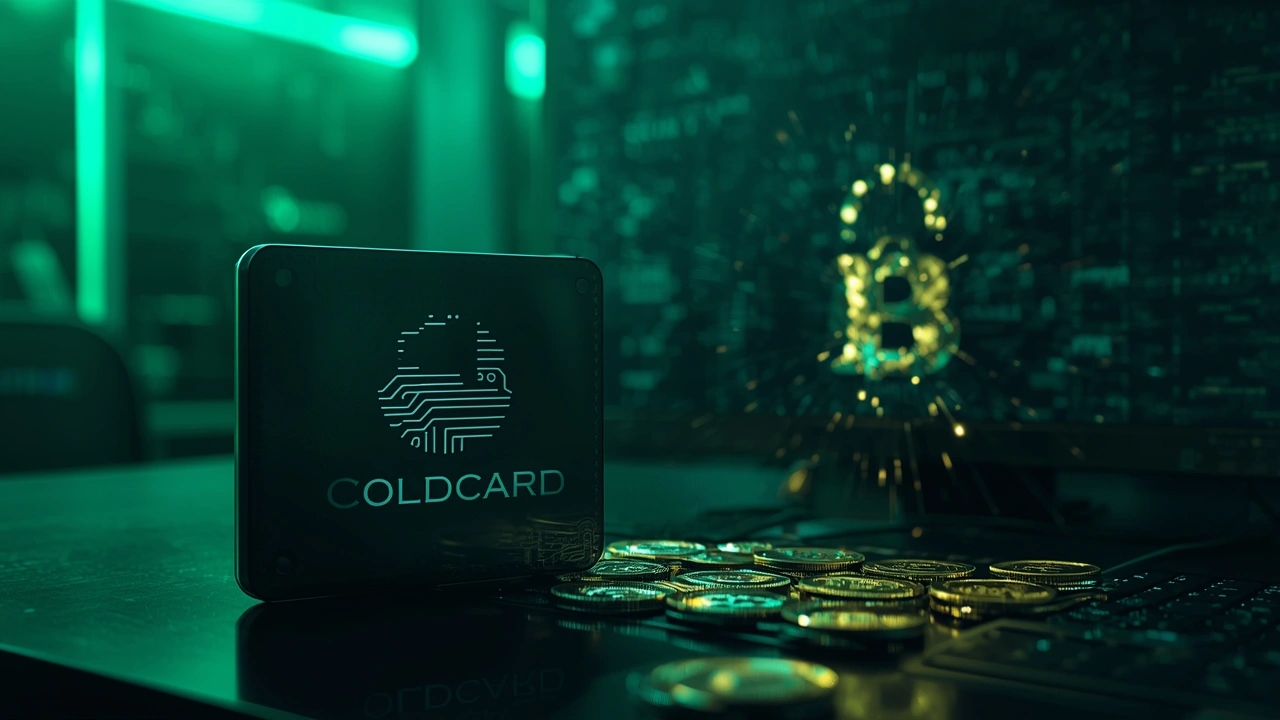
Hardware wallet maker Coinkite said an attacker likely used AI to find a vulnerability in its Coldcard wallets, one that even the company's own AI-based review had missed. After thefts topped $100 million, developers formed a volunteer group called Bitcoin Red Team, made up of roughly 20 to 25 people who combine AI models, including Moonshot AI's Kimi K3, with manual review of Bitcoin wallet code, payment apps, and other software. Flagged vulnerabilities get reported to developers privately, before any public disclosure.
"The reason why the Bitcoin Red Team exists right now is because we need to get ahead of the attackers as fast as possible," said a pseudonymous team member known as Calle. He added that the group hasn't found serious issues in Bitcoin's underlying protocol itself, with attention focused mainly on wallets and the apps around it.
What should ONE holders do before September 10?
The biggest concern isn't ordinary wallets, it's smart contracts. Multisig safes, liquidity pools, and any onchain apps simply can't be migrated automatically. Harmony's team is blunt about it, saying anyone holding assets in those contracts needs to withdraw them before September 10, 2026.
Once the migration to Ethereum is complete, holders will be able to manage the new tokens through standard Ethereum wallets such as MetaMask. Anyone who simply holds ONE on an exchange or in a personal wallet without smart contracts likely won't need to do anything at all.
What happens to the Harmony network from here
Total token supply and the emission rate for ONE will stay unchanged, only the destination of new issuance shifts. Instead of funding the Harmony layer-1, it will go toward the new AI video project. Validators who keep their stake and sign the agreement will receive payouts from the $1.372 million pool across four quarterly installments.
For the broader market, it's another sign that standalone blockchains are finding it harder to compete with Ethereum, especially now that AI-driven security threats are entering the picture. Whether other smaller networks follow Harmony's lead should become clear within the next year.

Comments
Your email address will not be published. Required fields are marked *