



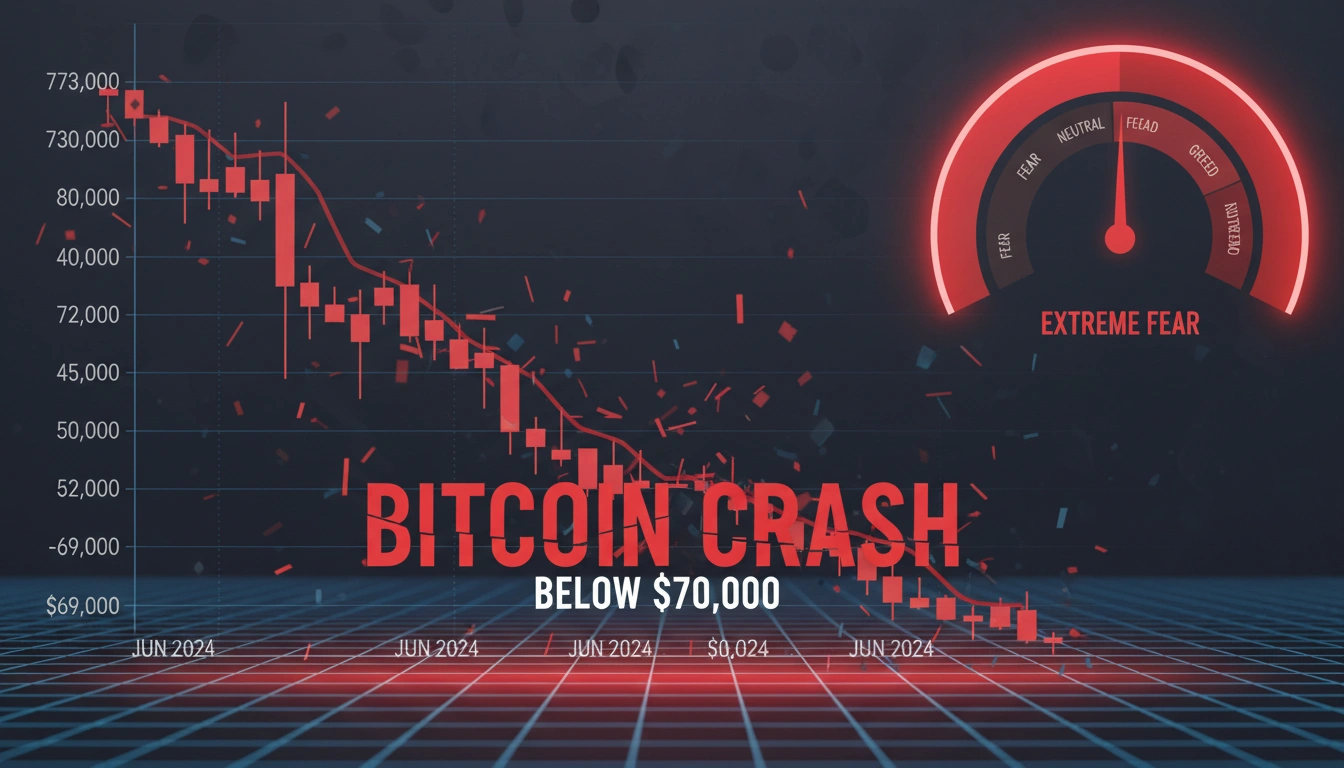
Bitcoin rallied for eight consecutive days to reach $74,000, but the Federal Reserve meeting on March 18, 2026, once again triggered a sell-off. The Fed held rates at 3.50–3.75%, and BTC pulled back to $71,600 — the sell the news pattern repeated yet again.
Fed decision: rates unchanged, projections tighten
The Federal Reserve, as the market expected with 99% probability, kept its benchmark rate in the 3.50–3.75% range. However, the updated dot plot revealed growing hawkish sentiment: 7 of 19 FOMC participants expect no rate cuts this year — one more than in December.
- PCE inflation: projected at 2.7% for 2026 — well above the 2% target
- GDP: expected growth of 2.4% in 2026, slightly above the December forecast
- Brent crude: around $110 per barrel due to the Middle East conflict
Fed Chair Jerome Powell called the current situation "extraordinarily complex," noting that the implications of Middle East developments for the U.S. economy remain uncertain. This was one of his final meetings — Powell's term expires in May 2026.
Sell the news: why Bitcoin dropped again after FOMC
Ahead of the meeting, Bitcoin posted an impressive eight-day rally, gaining 11% from post-Iran attack levels. The price approached $74,000. However, immediately after the Fed's announcement, BTC pulled back to $71,600, confirming a persistent pattern.
The statistics speak for themselves: BTC fell after 7 of 8 FOMC meetings in 2025. In January 2026, under a similar scenario, the price plunged from $90,400 to $83,383 within 48 hours — a 7.3% decline. The mechanism remains unchanged: traders buy in anticipation of a positive outcome, then take profits en masse once the event arrives.
Institutional capital: record inflows
Despite short-term price pressure, institutional players are showing growing confidence. On March 18, Binance recorded a $2.2 billion USDT inflow — the largest single-day stablecoin deposit since November 2025, indicating that major players were preparing for significant market moves.
Ethereum is trading at $2,335, up 35% from its 2026 low. Spot ETH ETFs attracted funds for six consecutive days, with cumulative net inflows exceeding $11.8 billion.
The Powell era ends: what comes next
The March meeting was one of Jerome Powell's last as Fed Chair. The leading candidate to replace him is Kevin Warsh, known for a more hawkish stance on monetary policy. A leadership change could mean a longer period of elevated rates — a negative factor for risk assets.
Outlook for the crypto market
The market is in a fear phase with the Fear & Greed Index at 26. For those planning to sell Bitcoin for dollars, the key zone remains the $69,000–$74,000 range, where the bulk of liquidity is concentrated. In the coming weeks, the determining factors will be not only inflation and employment data, but also the developing situation in the Middle East and oil price dynamics.


Comments
Your email address will not be published. Required fields are marked *