Estonia was long known for crypto licences issued by its Financial Intelligence Unit, Rahapesu Andmebüroo. That period is over. In a notice dated 23 March 2026, Finantsinspektsioon warned that after 1 July 2026 crypto services in Estonia may only be provided by firms licensed by Finantsinspektsioon itself or by the supervisor of another EU member state. So a card programme run from Lithuania or Malta under a MiCA licence can serve Estonian residents just as a local one would.
As of 19 November 2026, 32 of the 56 cards published in our catalogue are marked "Available" for Estonia. Another 19 are "Not specified" and 5 are "Not available". Membership of both the EEA and the euro area explains the long list. Cards issued across the whole European Economic Area work here, and so do euro-only products such as Bitpanda Card, which goes to euro area residents except Cyprus.
What is missing? Two of the closed cards are self-custody products. MetaMask Card names 47 countries, and Estonia is not one of them (neither are Latvia and Lithuania). ether.fi Cash Card is the odd case. Its list includes Latvia and Lithuania but leaves Estonia out, and the issuer says that without your country on the list you cannot apply for either the virtual or the physical card. Tangem Pay, Uphold Debit Card and Coinbase Card are aimed at other markets.
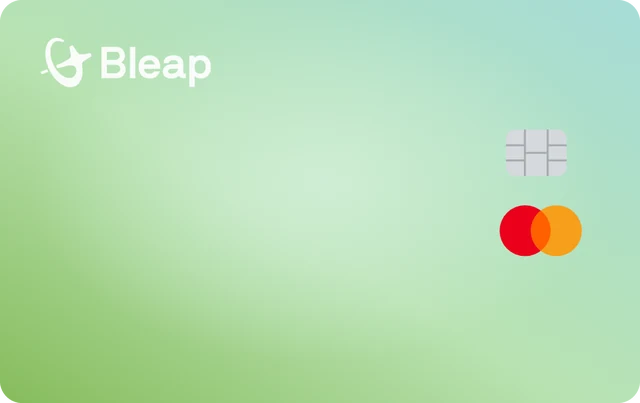
Self-custody is still on the table. Bleap Card pays straight from your Bleap wallet, runs on Mastercard, comes as plastic too and is issued only to residents of the EEA and Switzerland. COCA Card and Wirex One Card follow a similar model. If your funds sit on an exchange, BingX Card is a Visa that settles in US dollars and is issued through Wirex, with virtual, plastic and metal versions. Germany and Spain are not on its list. Estonia is. Bitrefill Card has a local issuer, Wallester AS in Tallinn, which holds a Finantsinspektsioon licence, and the card runs in euros.
How is it taxed? The Estonian Tax and Customs Board (EMTA) treats selling crypto for euros, swapping one coin for another and paying for goods or services with crypto as transactions whose gains must be declared. A card that sells your USDT at the moment of purchase falls under the same rule. Buying crypto with euros and moving coins between your own wallets do not create income. The income tax rate stayed at 22% for 2026 after the planned increase was cancelled. Losses are trickier. Since an Income Tax Act amendment took effect on 1 January 2025, they can be deducted only for crypto bought through a MiCA-authorised provider, and loss-making trades on other platforms are ignored. This is general information on the 2026 rules, not personal tax advice.
Funding happens in euros. On 19 November 2026 we tracked 9 exchangers selling USDT for euros by SEPA transfer, with their rates side by side on Kurslog. Check which network your issuer accepts before sending coins. For foreigners living in Estonia, Ukrainians included, issuers look at the country of residence rather than citizenship, so you need an Estonian address and a document that proves it.
Nineteen cards carry the "Not specified" label, for example ZEN Card, Gate Card and Revolut Crypto Card. Their issuers publish no list that names or excludes Estonia, and we do not guess on their behalf. The app will tell you when it asks for your country of residence, ideally before you top up. The reverse also happens. RedotPay Card and Odix Card publish only a list of banned countries, Estonia is not on it, so both show as "Available".



 Country guide