


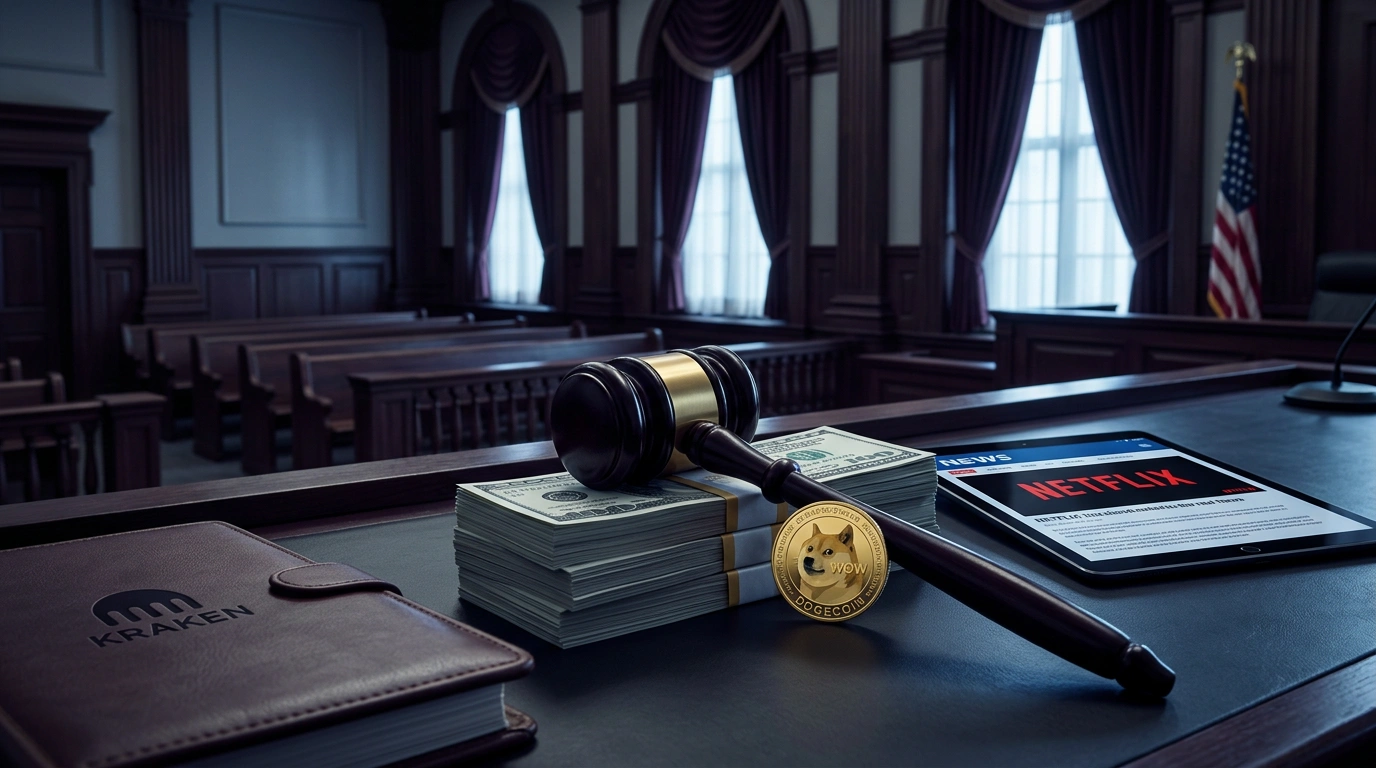
Carl Erik Rinsch, director of the 2013 Keanu Reeves film "47 Ronin," was sentenced to 30 months in federal prison in Manhattan on June 30, 2026. He diverted $11 million in Netflix production funds, bet the money on Dogecoin, pocketed $27 million in profit, and spent much of it on five Rolls-Royces, a Ferrari, and a $388,000 watch. The judge also ordered $11 million in restitution.
From Netflix to Kraken: how the stolen money moved
Netflix paid Rinsch's production company more than $44 million to make a sci-fi series. In 2020, citing the pandemic, he asked for another $11 million to finish filming. He moved most of it into a personal brokerage account and never delivered the show.
Rinsch first lost $5.9 million on speculative options, including pandemic-era bets on a COVID drugmaker and a market crash. When those trades failed, he moved more than $4 million to crypto exchange Kraken and bought Dogecoin. The bet paid off. In May 2021, as meme coins rallied alongside Bitcoin, he cashed out with $27 million in profit. "Thank you and god bless crypto," he wrote to a Kraken representative.
His ex-wife hired a forensic accountant who documented $8.7 million in spending. Rather than return the funds, Rinsch sued Netflix for more than $14 million, claiming the studio owed him money. The court rejected that argument.
What the court decided and why the sentence landed at 30 months
A Manhattan jury convicted Rinsch in December on charges of wire fraud and money laundering. Prosecutors sought five years. U.S. District Judge Jed Rakoff imposed 30 months after the defense presented evidence of an untreated mental health condition, with family and colleagues describing a marked change in behavior.
The judge did not soften his view of the conduct itself. The mental health condition may have "played a role," but Rinsch "was determined to lie to get substantial monies from Netflix." In addition to prison, the court imposed three years of supervised release and $11 million in restitution to Netflix.
What this case means for crypto exchanges handling large deposits
The case shows how a crypto exchange can become part of a fraud chain with no legal fault on the platform's side. The money arrived at Kraken through a standard transfer from a brokerage account. It only became suspicious after prosecutors began investigating the source of the original funds.
- Exchanges cannot easily distinguish a large legitimate deposit from stolen funds that passed through a legal intermediary.
- Once converted to crypto and cashed out at a market price, stolen funds acquire a market appearance.
- The court treated Dogecoin profits as criminal proceeds regardless of the fact that the trades occurred on a licensed platform.
For Kraken and other major platforms, this is added motivation to strengthen KYC checks and flag abnormally large deposits. The reputational cost of appearing in such a case is real, even when the platform bears no legal liability.
Clayton's deterrent message and what DOJ is signaling
Prosecution was handled by Jay Clayton, the former Securities and Exchange Commission chair who now serves as U.S. Attorney for the Southern District of New York. Clayton said Rinsch "made risky bets on highly speculative stock options and cryptocurrency" and called the sentence one that "sends a deterrent message."
"Carl Erik Rinsch promised to make a television show. Instead, he used $11 million meant for production as his personal casino and luxury fund."
- Jay Clayton, U.S. Attorney for the Southern District of New York, statement following sentencing, June 30, 2026
Clayton's involvement underlines a broader shift. Over the past two years, the DOJ has significantly increased the number of criminal cases against individuals who used crypto for fraud or money laundering. Each high-profile verdict makes crypto-facilitated fraud less attractive and confirms that Dogecoin profits from stolen funds are not a safe haven from prosecution.


Comments
Your email address will not be published. Required fields are marked *