



Cypherpunk Technologies acquired a Zcash mining fleet from Winklevoss Capital for $33.33 million and immediately gained control of 18% of the network's hashrate. The Nasdaq-listed company announced the deal on Tuesday, calling it the world's largest Zcash mining operation.
An Equity Deal, Not a Cash Sale
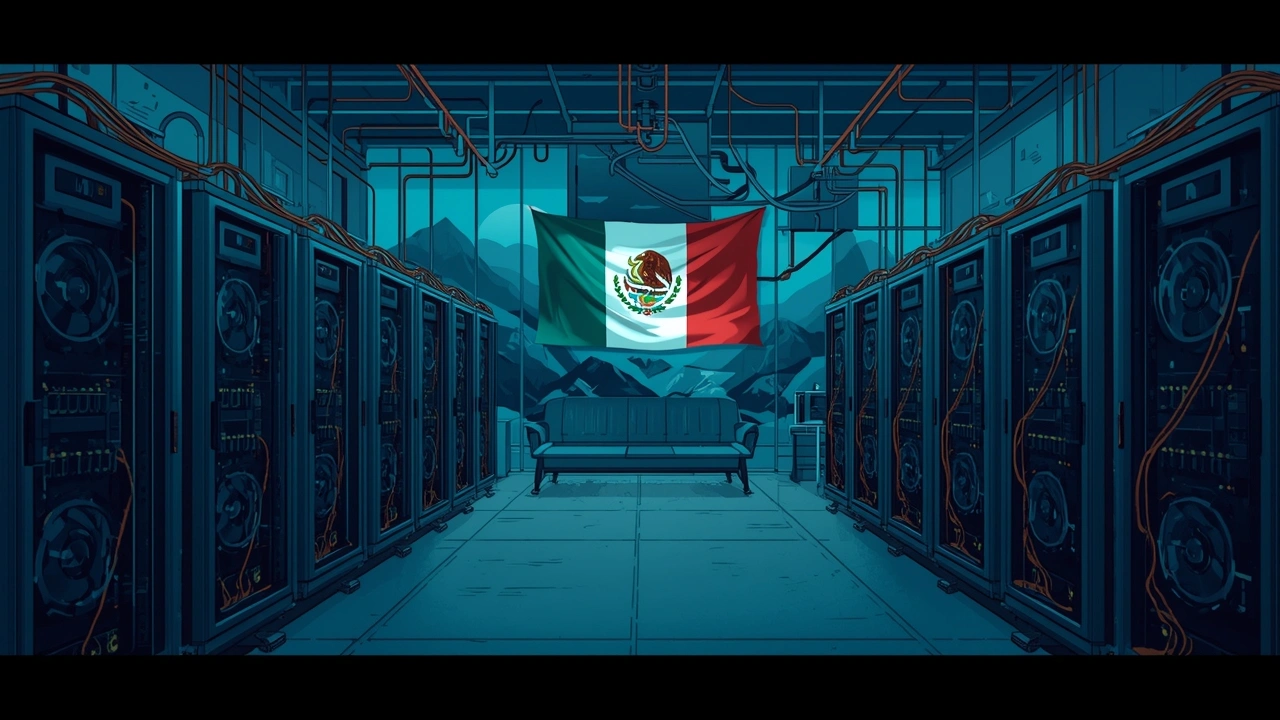
The transaction was structured as an equity swap, so Winklevoss Capital received a stake in the public company instead of cash. The fleet is already running at facilities across the United States, producing roughly 4.2 GSol/s, equal to 18% of Zcash's current hashrate. If the company's figures hold up, a single public entity now controls a significant share of mining for a coin built around transaction privacy. Cypherpunk frames the concentration as a deliberate part of its strategy rather than a side effect of the purchase. GSol/s measures how fast a miner can compute Equihash proof attempts, the algorithm behind Zcash, so a bigger hashrate share converts directly into a bigger share of future ZEC issuance.
The company says ZEC mining currently pays better than mining Bitcoin or running AI data center workloads under present market conditions. Profitability, though, depends on ZEC's price, network difficulty and power costs, so the math can shift fast. Cypherpunk did not disclose the fleet's exact operating costs, offering only a general performance estimate at the time of the deal.
Who's Behind the Deal
Cypherpunk Technologies trades on Nasdaq and already held ZEC exposure before this purchase. Its balance sheet lists 323,394 ZEC, roughly 1.9% of the coin's circulating supply. Winklevoss Capital is the family office of Tyler and Cameron Winklevoss, known for their early Bitcoin bet and for founding the Gemini exchange. Selling the mining infrastructure lets the fund lock in part of its ZEC gains while keeping exposure to privacy coins through its new stake in Cypherpunk.
Cypherpunk has previously positioned itself around a ZEC accumulation strategy, similar to how public Bitcoin miners and treasury companies stockpile coins instead of selling output. Buying a running mining business gives it both fresh production and a direct foothold in the network's infrastructure. For the Winklevoss family, long seen as a symbol of early institutional crypto bets, giving up direct ownership of a mining farm for a stake in Cypherpunk marks a shift from operator to shareholder.
A Bigger Bet on ZEC Supply
Cypherpunk has stated its goal plainly: reach ownership of 5% of ZEC's circulating supply. Its current 323,394 ZEC works out to just under 2%, meaning the company needs to roughly triple its position. It could get there by mining, by buying ZEC on the open market, or some mix of both, and Cypherpunk hasn't specified the split.
- The fleet is already online, mining about 4.2 GSol/s from US-based facilities.
- Existing company reserves stand at 323,394 ZEC.
- Target: 5% of the coin's circulating supply.
- The deal was fully funded with equity, with no debt involved.
Cypherpunk compares its approach to Bitcoin miners that spent years stockpiling coins rather than selling output immediately. For ZEC, the bet also leans on renewed demand for transaction privacy over recent months. Supporters of this approach compare Cypherpunk's move to early Bitcoin treasury firms that bought and held the asset for years before institutional demand went mainstream.
ZEC's Price Since Ironwood
ZEC has gained more than 1,300% over the past twelve months, despite a recent pullback from local highs. The rally picked up speed in the second half of 2025, as interest in privacy coins returned after years of muted demand. Analysts tie that comeback to broader demand for assets that can shield transaction details as financial monitoring in traditional jurisdictions tightens.
Zcash rolled out its Ironwood upgrade on July 28, 2026, replacing the Orchard protocol and closing a flaw that could, under certain conditions, have allowed hidden creation of counterfeit ZEC inside the shielded pool. Those events are covered in more detail in our report on how Zcash's Ironwood upgrade closed the door on fake ZEC. There's no evidence the flaw was ever exploited, but its existence was a reminder of the risks built into technology designed to hide transactions. The timing looks deliberate for Cypherpunk, which is scaling up mining capacity right after the network closed a technical risk that could have shaken trust in its shielded transaction pool.
What Comes Next for Privacy Coin Mining
What happens next depends on whether ZEC holds its current price level and whether network difficulty rises faster than Cypherpunk expects. The company has pledged regular updates on its progress toward the 5% supply target. Privacy coin mining just got its first major public-company player, and the coming months will show how durable that model turns out to be. The deal will likely serve as a test case for the rest of the industry: whether other public companies follow Cypherpunk's lead depends on how long the current economics of ZEC mining hold up.


Comments
Your email address will not be published. Required fields are marked *