


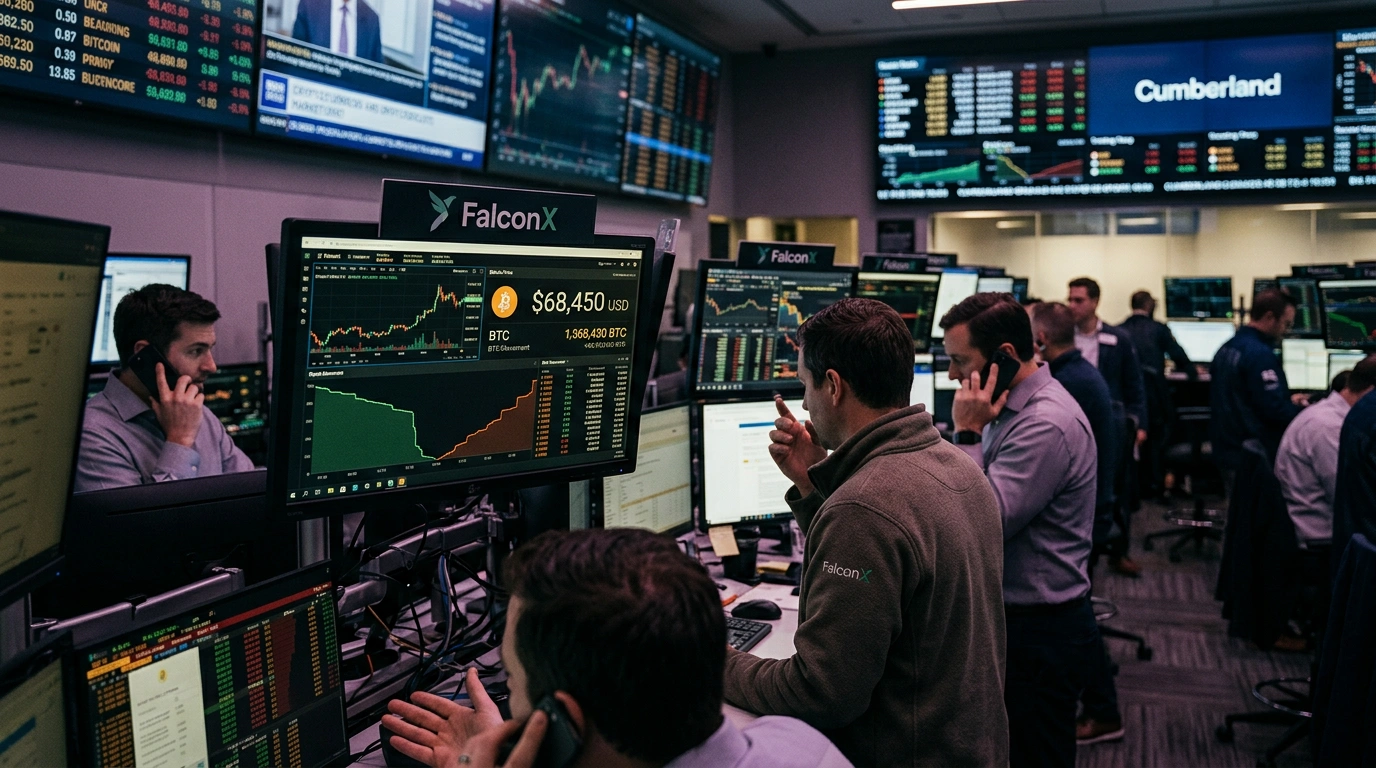
A Satoshi-era Bitcoin miner who accumulated coins in the earliest years of the network moved 2,650 BTC worth around $203 million to OTC trading desks FalconX and Cumberland. Three separate transactions occurred on Sunday, May 24, and were tracked by blockchain data platform Arkham. The address still holds another 6,000 BTC worth approximately $462 million.
Three transactions in a single day
The movement was split into three transactions. Two of 1,000 BTC each and one of 650 BTC. The recipients, FalconX and Cumberland, are two of the largest institutional OTC trading providers in the crypto space. Blockchain analytics service Onchain Lens reported the remaining 6,000 BTC balance in a Monday post on X.
Wallets from the so-called Satoshi-era, meaning those that first received coins in the earliest years of the Bitcoin network, typically sit dormant for years. Back then, block rewards stood at 50 BTC and network difficulty was orders of magnitude lower than today. Dozens of blockchain analytics tools and bots permanently track these addresses. Any transaction from them immediately draws attention from traders and sparks discussion across crypto communities.
The market reads such movements differently depending on who you ask. Some participants treat a transfer to an OTC desk as a preliminary step toward a sale. Others caution against quick conclusions, pointing out that large funds and family offices often reallocate assets between wallets with no intention of reducing their position. These miners lived through multiple Bitcoin market cycles, holding through the crashes of 2018 and 2022, which makes even a partial portfolio move hard to interpret cleanly.
Why OTC desks and not spot exchanges
FalconX and Cumberland serve hedge funds, corporate clients, and large miners by matching trades at agreed prices without public disclosure of terms. Large crypto holders turn to these venues to access deeper liquidity without placing visible sell orders on public exchange order books. A public sell order for 2,650 BTC would immediately push prices lower and worsen execution for the seller.
OTC trading lets the seller lock in a price in advance and execute outside the public order book. For early holders whose positions built up over years, this is standard practice for handling large volumes. These deals typically carry strict confidentiality terms, so neither the exact size of each tranche nor the price is confirmed publicly. Market participants estimate that closing positions of this size can take anywhere from a few hours to several weeks depending on settlement terms.
Sending coins to OTC provider accounts means the wallet owner has at least started negotiations or is assessing available liquidity options. Neither FalconX nor Cumberland commented on the transaction.
Bitcoin price and pressure on miners
At the time of writing, Bitcoin was trading around $77,347, down 0.5% over the past day. That level sits well below average mining cost estimates. Different analytics platforms show varying figures:
- TradingView puts full production cost at around $93,175 per coin
- Capriole Investments estimates minimum operational cost at $57,706
- CryptoRank places the public miner average at around $74,600
The spread reflects different methodologies. Some analysts count only electricity costs, while others include equipment depreciation and administrative expenses. When selling Bitcoin for dollars happens below these levels, smaller operators struggle to cover ongoing costs. A March report from CoinShares found that up to 20% of Bitcoin miners may currently be running at a loss, particularly those still using older hardware.
Some operators are looking for alternative revenue streams. Soluna Holdings reported that in the first quarter of 2026 its data center hosting business generated $6.7 million in revenue, while Bitcoin mining contributed just $2.2 million, down from nearly $3 million the year before. This kind of diversification is becoming more common among miners seeking steady cash flow regardless of BTC price.
Market watches for the next move
Satoshi-era coins moving to institutional OTC desks is a rare event. The 2,650 BTC transferred represents less than 0.013% of all Bitcoin in circulation, but activity from long-dormant wallets at this scale consistently draws market attention. Bitcoin has been trading in a relatively tight range throughout May following a pullback from last year's highs, and any news about large holders adds fuel to the debate over potential sell-side pressure.
Analysts point to the particular symbolic weight these coins carry. Satoshi-era wallets are widely seen as a long-term sentiment indicator among the network's earliest participants. Moving these coins to OTC desks, even without a confirmed sale, is read as a sign that these holders are reconsidering their asset storage approach. Moves like this are more often interpreted as de-risking than as a full exit from the position.
It remains unknown whether any deal has been completed or on what terms. If the remaining 6,000 BTC on the address follow the same path to OTC providers, the market reaction would likely be considerably sharper.



Comments
Your email address will not be published. Required fields are marked *