


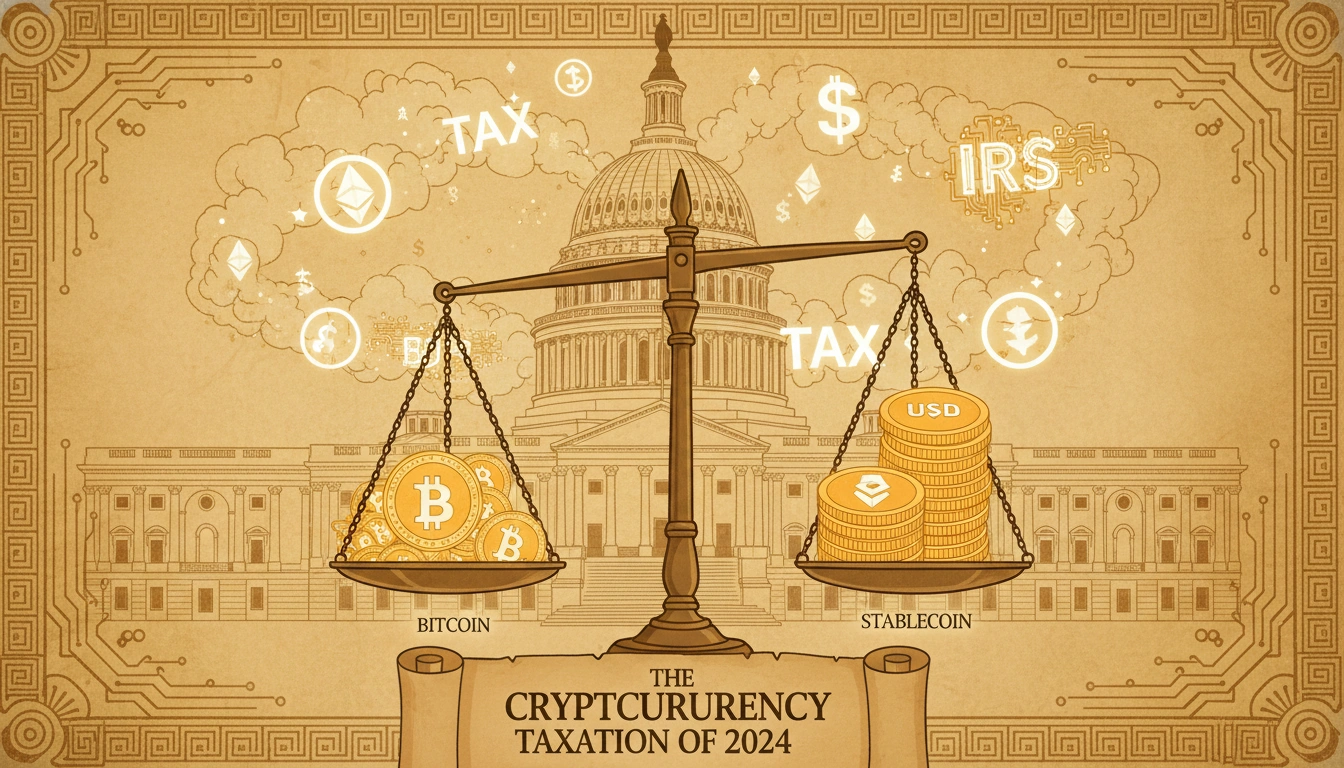
US Representatives Max Miller and Steven Horsford published a discussion draft of the Digital Asset PARITY Act on March 27, 2026 - a sweeping overhaul of cryptocurrency taxation in the United States. The bill exempts stablecoin transactions under $200 from taxes, but Bitcoin received no relief whatsoever, sparking sharp criticism from the crypto community.
Stablecoin Relief: Up to $200 Tax-Free
The bill's centerpiece is Section 139J, which introduces a de minimis rule for regulated payment stablecoins. Transactions with gains under $200 will not be considered taxable income and will not require IRS reporting.
The rule applies only to tokens pegged to the US dollar and issued by licensed entities - primarily USDT and USDC. Lawmakers compared this relief to the existing exemption for small foreign currency transactions, arguing that stablecoins used as digital cash should be taxed like cash.
Why Bitcoin Was Left Out
The most heated controversy surrounding the PARITY Act is the absence of a similar exemption for Bitcoin. This means that even a small purchase, say, a $5 coffee - remains a full taxable event requiring capital gains calculation and IRS reporting.
The Bitcoin community reacted sharply. Representatives from the Bitcoin Policy Institute argued that Bitcoin, as a decentralized and permissionless asset, deserves relief more than stablecoins controlled by centralized issuers. Critics point out that the bill effectively favors corporate stablecoins at the expense of the foundational crypto asset.
Wash Sale: Closing the Tax Loophole
Another significant provision extends wash sale and constructive sale rules to digital assets. Currently, crypto traders can sell an asset at a loss, immediately repurchase it, and claim the tax benefit - a strategy banned for stocks since 1921.
The PARITY Act brings crypto in line with securities on this matter: traders will need to wait 30 days before repurchasing an asset to claim the loss. Analysts estimate that closing this loophole will generate billions of dollars in additional federal revenue over the next decade.
Staking and Mining Deferral
The bill also proposes a compromise on staking and mining taxation. Instead of immediate taxation upon receiving rewards, as current IRS guidance requires, the PARITY Act allows a five-year deferral, taxes would only be assessed upon selling the received tokens.
This applies to both proof-of-stake networks like Ethereum and proof-of-work miners. The crypto industry has long lobbied for this change, arguing that the current regime creates tax obligations before investors actually receive liquid funds.
What's Next
The PARITY Act currently holds discussion draft status, meaning it has not yet been formally introduced as legislation. Representatives Miller and Horsford have invited comments from industry and the public before formal submission to the House of Representatives.
If enacted, most provisions would take effect beginning with the 2026 tax year, giving the Treasury Department and IRS time to develop accompanying regulations. In parallel, the fate of Bitcoin's tax relief remains open - industry pressure could lead to expanding the de minimis rule to all digital assets in the final version of the bill.



Comments
Your email address will not be published. Required fields are marked *