


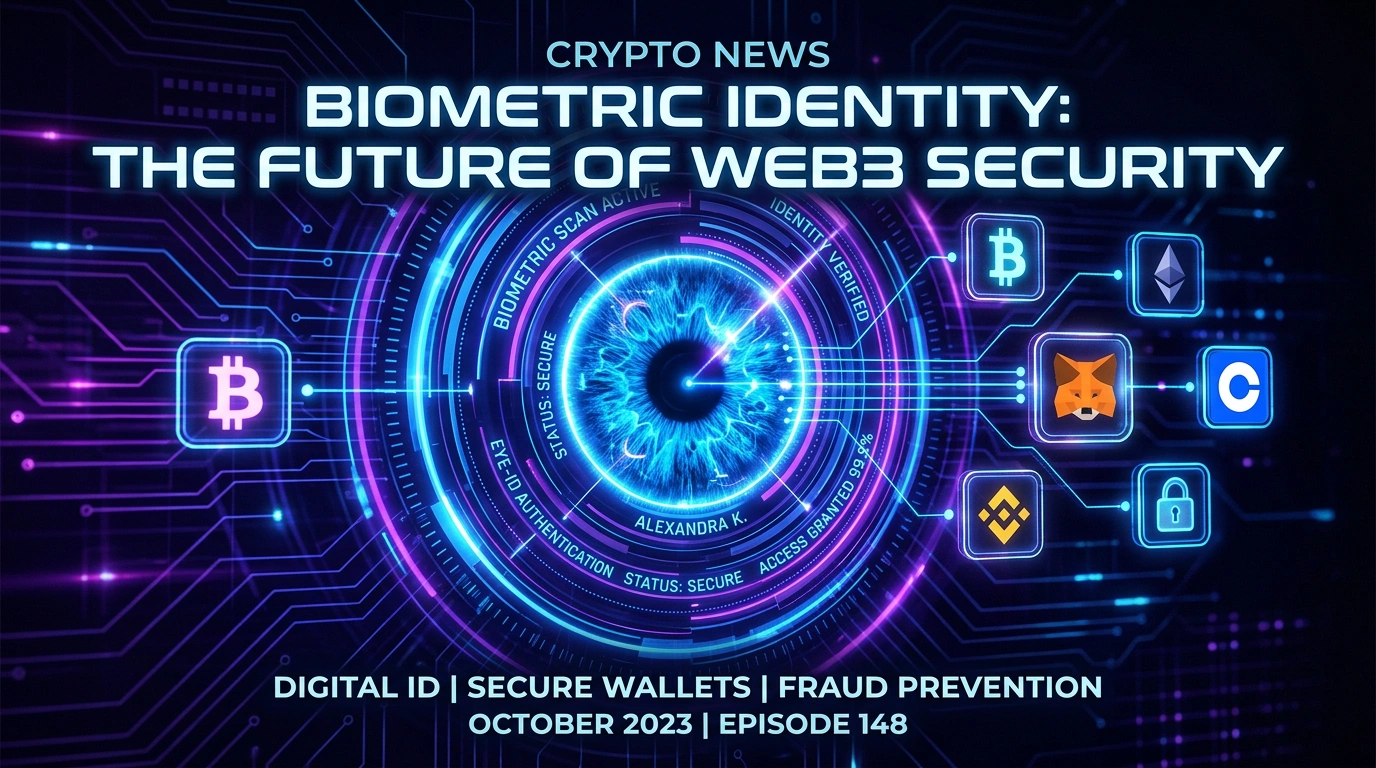
Worldcoin (WLD) dropped 13.4% to around $0.28 on Friday while the broader crypto market gained more than 2%. World, the identity company led by OpenAI CEO Sam Altman, announced new partnerships for its proof-of-human verification stack: iris scanning for Zoom, Tinder and Docusign. Rather than boosting the token, the news triggered selling.
New integrations: Zoom, Tinder and Docusign
Video conferencing platform Zoom is adding World's Deep Face Authentication to prevent deepfakes during video calls. When a participant turns on their camera, the service checks whether a real human is present rather than an AI-generated avatar. For corporate users where video calls have become the main communication channel, this addresses a concrete security problem.
Docusign, the dominant electronic signature platform, is integrating World's identity verification to confirm a real human is signing documents. Tinder and Match Group also joined the partner list, though World did not specify the exact format of their integration. Earlier integrations include Amazon Web Services, Shopify, VanEck and Coinbase.
How it works: Orb and zero-knowledge hashing
World's technology centers on the Orb device, which scans a user's iris and generates a unique digital identifier. The scan itself is not stored - only a mathematical hash is retained. This hash confirms the holder is human without exposing any personal data. World recently added key recovery and multi-device support to make verification more portable.
Coinbase uses World's AgentKit in its x402 AI agent micropayments protocol. World put their thesis plainly: "As AI agents increasingly act on behalf of real people, the infrastructure to prove a human stands behind each agent becomes critical." This is not just spam prevention. It is verification of human control over autonomous systems.
Why the token fell against the market
WLD dropped 13.4% on the same day Bitcoin and most assets rose after the Strait of Hormuz reopened. The gap is clear: positive news for World as a company does not translate into automatic demand for WLD as a token.
One explanation: markets are judging the new integrations not through WLD's utility but through data concentration risk. More partnerships means more biometric data flowing through one company. Investors who track privacy in crypto are reading this with caution. A sell-the-news effect may also have played a part.
Deepfakes and crypto security
Deepfakes stopped being just a media problem some time ago. In crypto, fraudsters use AI impersonation to bypass KYC, break into accounts and persuade victims to transfer funds. The FBI reported $11.4 billion in US crypto fraud losses in 2025, and deepfake technology is part of the toolkit used by organized groups.
For platforms like Binance and other large exchanges, verifying a live human is not a marketing feature but a real asset protection need. The question is whether the crypto market will accept a centralized biometric solution from World or look for decentralized alternatives.
The privacy risk that does not go away
Critics warn that collecting biometrics at scale under one company's control is a risk even with the best technical safeguards. Unlike passwords, you cannot replace compromised biometrics. If iris hashes were ever leaked publicly, affected users could not "reset" their face.
World insists that zero-knowledge protocols ensure the Orb never transmits or stores the actual image. But trust in the technology and trust in the company are different things. WLD at $0.28 shows the market is not yet willing to pay a premium. Whether that changes after real-world cases where World blocked deepfake fraud - the next quarter will tell.


Comments
Your email address will not be published. Required fields are marked *