


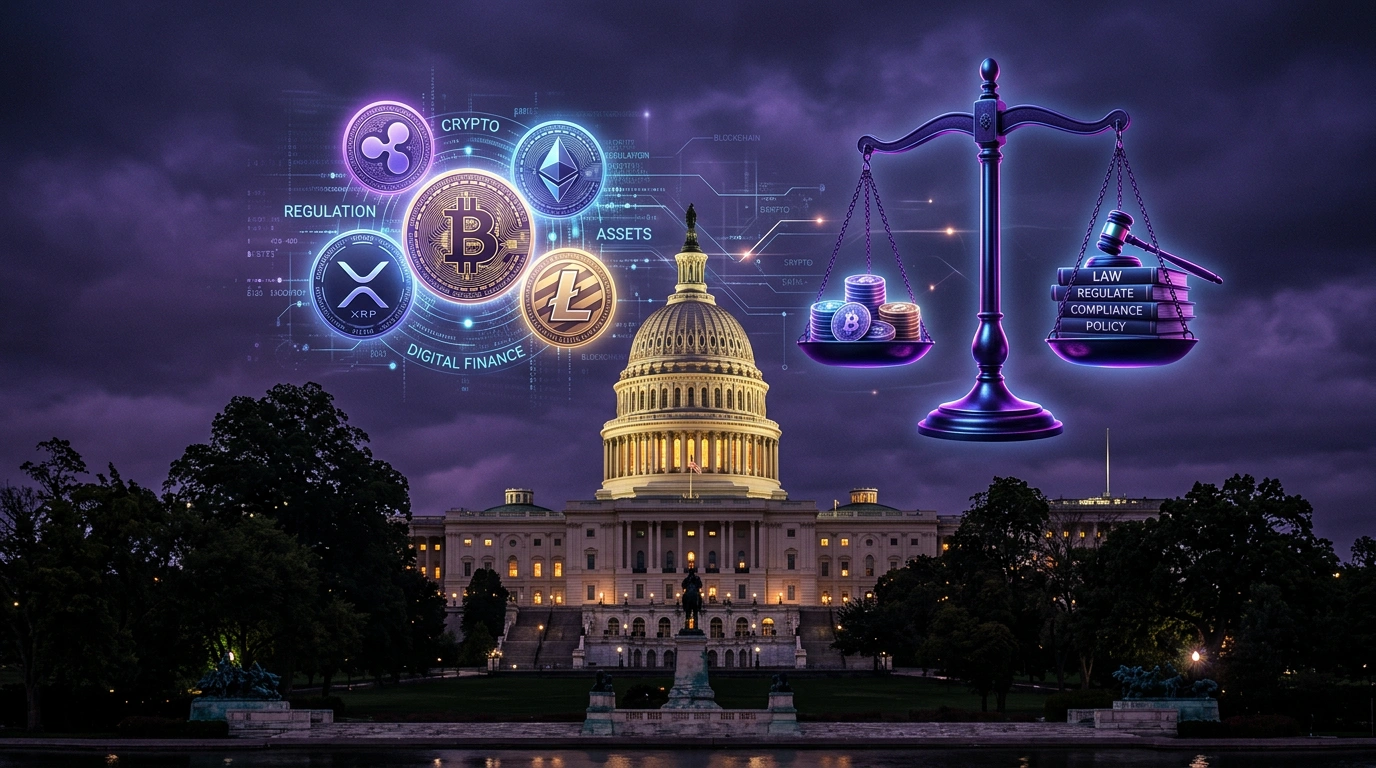
On April 11, 2026, the US Commodity Futures Trading Commission (CFTC) published the initial members of its Development Task Force. Five specialists with legal and crypto backgrounds are tasked with drafting clear rules for US market participants. CFTC Chairman Mike Selig created the group on March 24.
Five members and their backgrounds
- Hank Balaban - former Latham & Watkins crypto lawyer
- Sam Canavos - ex-Patomak advisor on crypto and prediction markets
- Mark Fajfar - CFTC legal veteran with deep regulatory expertise
- Eugene Gonzalez IV - former Sidley blockchain lawyer
- Dina Moussa - CFTC Market Participants Division special counsel
Three focus areas for the task force
Alongside the membership announcement, the CFTC launched a public "progress tracker" - a website cataloging all agency steps in three areas: crypto and blockchain, artificial intelligence and autonomous systems, and contracts and prediction markets.
The AI focus is deliberate. US crypto exchanges and trading platforms rely increasingly on automated systems. The CFTC wants rules in place before that sector becomes mainstream.
Why CFTC is acting now without waiting for a law
In spring 2026, the SEC proposed that most crypto assets do not qualify as securities. If that position becomes official, the CFTC would take primary oversight of the US market - including assets like Bitcoin. But the final word still depends on whether CLARITY Act clears the Senate after months of stalled negotiations.
The task force lets the CFTC move forward regardless of how fast Congress acts. Through guidance documents and working frameworks, the commission can set industry standards before formal legislation arrives. The US crypto industry has complained for years about regulatory uncertainty - this is a direct attempt to reduce it.
Prediction markets as a quiet priority
Sam Canavos's background in prediction markets is not accidental. In April 2026, the CFTC successfully blocked Arizona's attempt to shut down prediction platform Kalshi. Prediction markets have become as central to the commission's agenda as traditional crypto derivatives.
Prospects for the market
A five-person task force is the first public step toward a structured regulatory framework. Whether they produce binding rules or only guidance documents will become clear after the first outputs. The industry expects something before the end of Q2 2026.


Comments
Your email address will not be published. Required fields are marked *