



The SEC's Division of Corporation Finance updated its crypto guidance on Friday. If a network already works, announcing a token buyback does not by itself turn the token into a security.
The document carries no legal force. Still, it shows how the regulator will judge projects until Congress passes a law. For teams that have long wanted to support their own token's price with buybacks, it is a clear signal.
What exactly changed in the rules?
Projects used to steer clear of buybacks. Any promise to support the price could become an argument in a lawsuit. Now SEC staff write it differently. Once a crypto system is functional, announcing a buyback program is not a promise to make "essential managerial efforts."
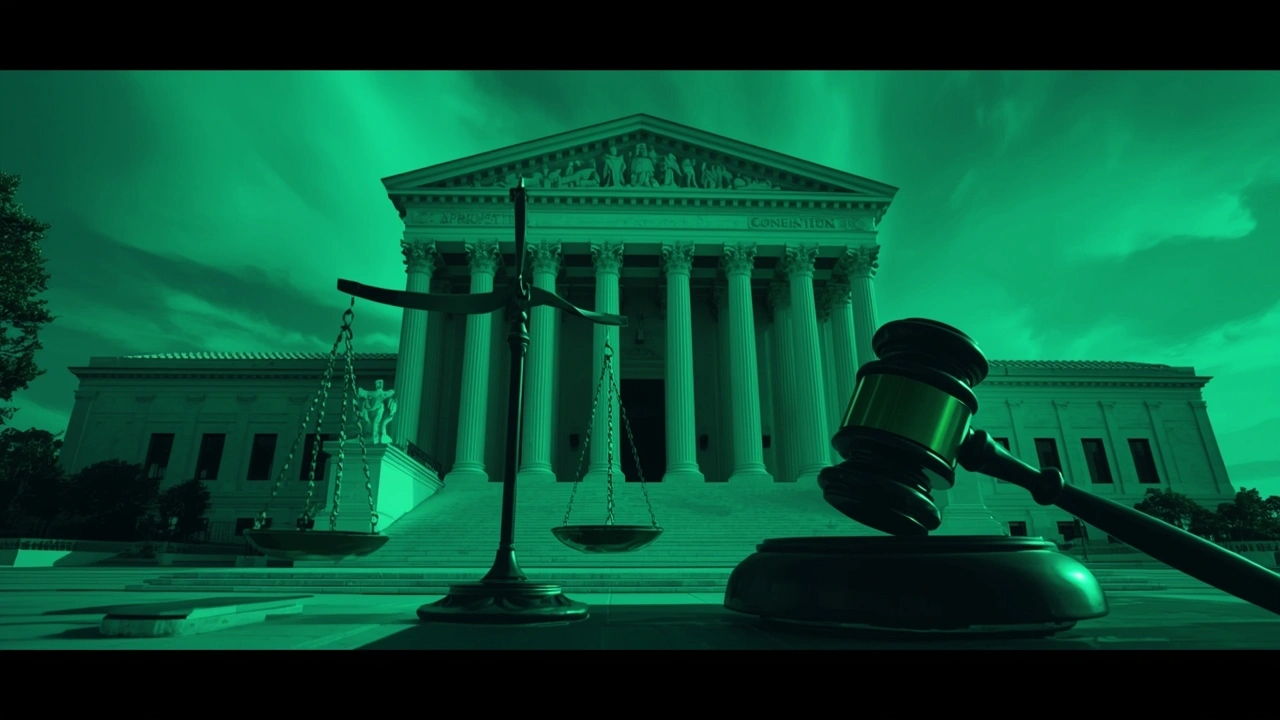
That phrase sits at the core of the Howey test. It is the US Supreme Court standard for deciding whether a deal is an investment contract, and therefore a security. One key sign is that the buyer expects profit from the efforts of others, usually the project team.
How does it work in practice?
The guidance separates two project states. The first is a network that is already live and doing its job. The second is a project still under construction. That line decides whether a buyback becomes a problem for the issuer.
- Network is working: a buyback announcement does not count as a promise of managerial effort.
- If the network is not ready, a buyback can cross the line when the issuer pitches it as a source of returns for token holders.
- Promises to maintain, upgrade or grow a working system also fail to satisfy the Howey test.
- Describing current uses and making vague statements with no mention of profit is likely safe as well.
The SEC also touched on receipt tokens issued for staked coins, for example on Ethereum. They will not always fall under the definition of a security either. Much depends on the exact scheme.
The gap between the two scenarios is thin. "We will buy tokens to support the network" sounds safe, while "the buyback will earn you income" already looks like a promise of profit. Project lawyers will now watch exactly this kind of wording.
Who benefits and who doubts it?
Attorney Gabriel Shapiro of MetaLeX Labs, a former general counsel at Delphi Labs, thinks the document went further than he expected. That applies most of all to the buyback section.
"The securities laws are starting to look opt-in now, at least as applied by the SEC to crypto."
Gabriel Shapiro, corporate securities attorney at MetaLeX Labs, from a post on X
In his reading, teams can keep building, prop up the price with buybacks and enjoy some perks of a public investment without giving holders shareholder rights. The main crypto trend, he argues, is not tokenized equity but the push to get every benefit of equity with none of the burdens.
Shapiro adds a caveat himself. A private plaintiff or a future SEC could see it differently.
How is a token buyback different from a share buyback?
In the classic version, a company buys its own shares from the market and there are fewer of them. Holders of the remaining shares own a bigger slice of the business, which is a direct economic effect. In crypto the scheme only looks similar. A protocol or project fund buys tokens on an exchange, and sometimes destroys them to shrink supply.
The difference is rights. A shareholder has a claim on dividends and a vote, while a token holder often has neither. That is why regulators long doubted that a token buyback could be equated with a share buyback. The new guidance answers carefully: for a working network, a buyback does not necessarily signal a promise of investment returns.
The document does not cancel other requirements. If a token is sold with a clear promise of profit, the Howey test applies as before.
Why did the SEC speak up now?
The US Senate failed to pass the CLARITY Act, and the cloture vote collapsed. SEC Chair Paul Atkins signaled back in July that the agency would step in if the bill faltered. The CFTC issued a similar warning in August.
Last week the CFTC published its own guidance for token issuers. The new SEC FAQs build on the March interpretive release and on the Regulation Crypto Assets proposal, which would let projects sell tokens without full registration. Earlier the agency introduced an exemption for tokenized stocks.
So the regulators are no longer acting alone, but almost in step. The industry mostly welcomes it, since the alternative was waiting for a law for who knows how long.
What does it change for token holders?
What should you check before buying? There are a few markers. Does the network have real users and services, not just promises in a slide deck. Who funds the buyback and from what revenue. Is the buyback pitched as guaranteed income. The last one matters most, because that is exactly the line the SEC draws.
The news is mixed. Buybacks can support the price but guarantee no profit, and a network team is not obliged to buy tokens back. Regulator rules are also easier to undo than a law.
Bitcoin hovered near $84,000 these days while Treasury yields stayed close to multi-year highs. If you plan to buy tokens of projects with buyback programs, first check that the network really works and what exactly the team promises.


Comments
Your email address will not be published. Required fields are marked *