


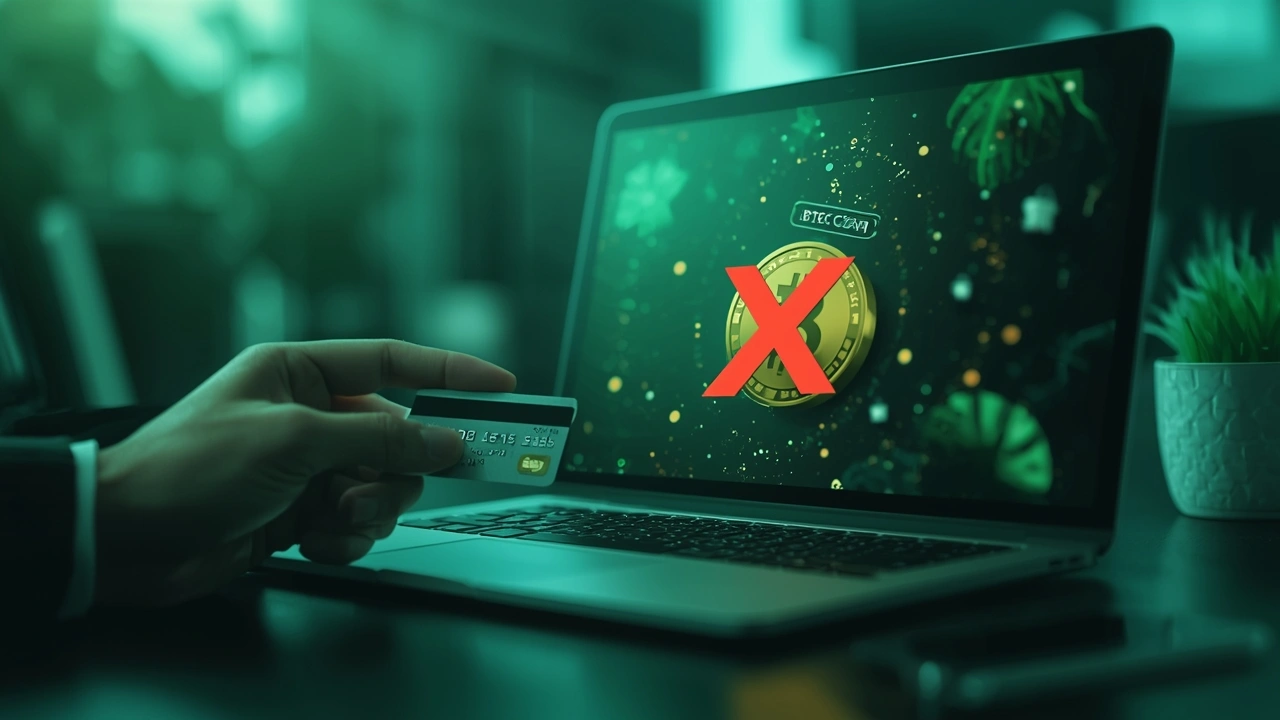
Visa is closing a loophole that let meme coin purchases on credit cards go through as ordinary digital goods and earn cash back. It affects anyone who buys tokens with Apple Pay or Google Pay, because rewards on those purchases will most likely disappear. The story comes from the Crypto in America newsletter, which cites a source familiar with the matter.
What exactly happened?
Visa is preparing to shut down a workaround in payments that run through Crossmint. The company provides crypto payment infrastructure. Apps plug it in so that users can pay for tokens by card. In those payments, meme coins were being recorded under a code meant for regular digital media.
The meme coins themselves, meaning tokens that grew out of internet jokes (the best-known example is Dogecoin), are not going anywhere. Buying them by card will still be possible. What changes is the label the transaction carries into the payment system.
This is not about a ban but about who pays for what. Points and cash back are funded by the bank, and they are usually covered from the fee a merchant pays for accepting the card. If a purchase lands in the wrong category, the bank hands out a reward it never planned to. The original report does not say how many purchases went through this way, so it is too early to judge the bank's losses or the cardholders' gains.
How did the workaround work?
To follow the mechanics, it helps to know about the MCC, the merchant category code. It is a four-digit label the payment network attaches to every card transaction. It decides which rules apply to the payment and whether the bank awards points.
A customs code on a shipment works in roughly the same way. It decides under which rules the goods are let through and which duties apply. A payment code sets the same kind of frame, and inside that frame the bank awards its reward.
Here is how it looked, step by step.
- The purchase: users of the Robinhood Wallet and Fomo apps bought meme coins with a credit card through Apple Pay or Google Pay.
- No separate identity check (KYC) was required for this, as test purchases by The Block showed.
- The payment ran through Crossmint and received the code "digital goods media". It is normally used for e-books, movies and music.
- The issuing bank saw an ordinary digital goods purchase and awarded points or cash back.
The Block ran its test payments on both a Visa card and a Mastercard, and both got the same code. The original report says nothing about Mastercard's position. The payment went through without a hitch, but the label did not match the product, and the reward depended on that label.
Who spotted the problem?
It began with an investigation by The Block. The outlet made test purchases in Robinhood Wallet and Fomo and looked at which code they went through under. It turned out that meme coins were passing as digital media.
To the bank, such a purchase looked the same as paying for a movie or an e-book. For the cardholder it is a few taps in Apple Pay, but for the payment network it is a different type of transaction, since crypto payments fall under separate Visa rules. The classification decides which of those rules apply.
Chase told the outlet that one Visa transaction had not been flagged as a crypto purchase, carried the wrong code, and should not have earned rewards. The bank then opened a case with Visa to challenge the classification. The New York attorney general's office says it is aware of the matter and is reviewing it.
Crossmint defends its approach and points to a 2025 statement by SEC staff that described certain meme coins as closer to collectibles than securities. But those are different questions. The SEC judges whether a token is a security, while Visa decides under which code a payment may pass.
What changes now that the loophole is closing?
Visa told at least one industry participant that the digital media code is not appropriate for meme coin purchases. The network has also told payment processors, Checkout.com among them, that the code will no longer be accepted for such transactions. They were given a grace period to wind the practice down, and it is expected to end next week.
In practice, processors will have to change the code they pass to the network for such transactions. The original report does not say what happens to payments with the old code once the period ends, but Visa itself has said it will not accept it.
Buying meme coins by card stays possible, but such purchases must be processed as crypto transactions under Visa's corresponding rules and restrictions.
"The message to the crypto industry is clear. Stop being cute, stay in your lane and use the appropriate codes."
Anonymous source familiar with the matter, Crypto in America newsletter
It has been a mixed week for the banks. After the Clarity Act stalled in the Senate, they failed to win tighter limits on rewards for stablecoins such as USDC. But JPMorgan, whose Chase bank challenged the transaction, scored a narrower win in the dispute over card rewards on crypto purchases.
What should cardholders expect?
For anyone who buys crypto by card, the takeaway is practical: don't count on points for meme coins anymore. If you buy Bitcoin, a token or a stablecoin by card, compare the full cost of the purchase, meaning the rate, the spread and the bank fee, rather than an imaginary cash back. We at Kurslog suggest looking at that number.
Some banks treat buying crypto by card as a cash advance, with a separate fee and interest from day one, so it is worth checking the terms with your own issuer. The story is about credit cards and American banks. Whether the change will reach cards issued in other countries, the original report does not say.
The processors' grace period ends next week. Then we will see how quickly the new codes start working in practice. When the newsletter came out, neither Visa nor Crossmint had responded to requests for comment, so we have no official position from the companies yet.


Comments
Your email address will not be published. Required fields are marked *