


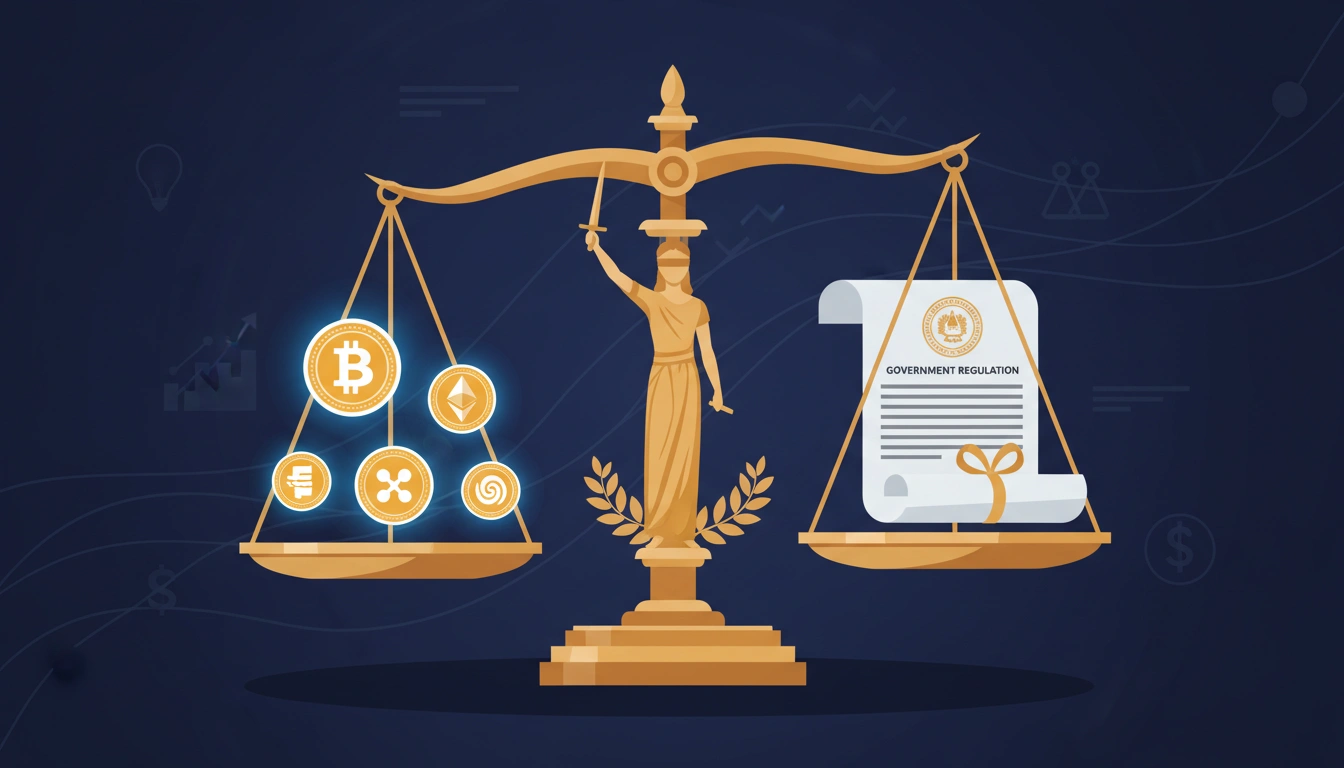
On March 17, 2026, the U.S. Securities and Exchange Commission (SEC) and the Commodity Futures Trading Commission (CFTC) jointly published a 68-page document that, for the first time in history, formally classifies digital assets. Sixteen cryptocurrencies, including Ethereum, XRP, and Solana, have been officially recognized as digital commodities - meaning they are not securities and do not fall under SEC registration requirements.
Which 16 assets made the list
In addition to Bitcoin, which the CFTC has recognized as a commodity since 2015, 16 additional assets have been added to the digital commodities list. These include the largest projects by market capitalization across multiple tiers, spanning a wide range of the blockchain industry:
- Smart contract platforms: Ethereum (ETH), Solana (SOL), Cardano (ADA), Avalanche (AVAX), Tezos (XTZ), Aptos (APT), Algorand (ALGO)
- Payment and infrastructure: XRP, Stellar (XLM), Litecoin (LTC), Bitcoin Cash (BCH), Hedera (HBAR)
- Memecoins: Dogecoin (DOGE), Shiba Inu (SHIB)
- Oracles and cross-chain: Chainlink (LINK), Polkadot (DOT)
Five categories of digital assets
The document introduces the first official digital asset taxonomy in the United States. Every token now falls into one of five categories based on its purpose, mechanics, and economic model:
- Digital Commodities: assets whose value is determined by network functionality and market demand rather than managerial efforts of third parties - the 16 classified cryptocurrencies fall into this category
- Digital Collectibles: non-fungible tokens, in-game items, digital art, and music content
- Digital Tools: memberships, tickets, identity credentials, and blockchain-based certificates
- Stablecoins: payment stablecoins from licensed issuers under the GENIUS Act - these are not securities
- Digital Securities: tokenized financial instruments that remain under full SEC jurisdiction
Staking, mining, and airdrops removed from securities law scope
A dedicated section of the document addresses crypto activities that have existed in a legal gray area for years. The regulators clearly established that protocol staking and mining constitute a form of network service payment rather than a profit-sharing mechanism - consequently, these operations do not fall under securities law.
Airdrops that do not require financial contributions from recipients have also been excluded from securities law scope. Wrapped tokens are recognized as ordinary receipts for underlying assets: if the asset itself is not a security, its wrapper does not require SEC registration either.
However, the document notes that initial token offerings (ICOs or IDOs) that exhibited characteristics of investment contracts do not receive retroactive legalization. Issuers who violated rules during initial sales remain liable for past actions.
Market reaction and regulator comments
SEC Chairman Paul Atkins stated that "after more than a decade of uncertainty, this interpretation finally provides a clear understanding of how the Commission treats crypto assets." CFTC Chair Michael Selig called the decision a "harmonized approach" that delivers "clear and rational rules of the road" for American innovators.
For the market, the classification paves the way for new ETFs and investment products based on recognized digital commodities. XRP, which spent years in legal confrontation with the SEC, has finally gained definitive clarity. Solana and Avalanche, which previously attracted intense regulatory scrutiny, have shed a key barrier to institutional adoption.
The document was published following a recent memorandum of understanding between the SEC and CFTC, which laid the groundwork for coordinated oversight of the crypto market in the United States.
Prospects for investors
The recognition of 16 assets as digital commodities allows exchanges and brokers to offer these assets without SEC registration. This significantly reduces regulatory risk and makes crypto investments more accessible to both institutional players and retail market participants.
The classification also opens the door for launching regulated futures and options under CFTC oversight, adding liquidity and transparency to the market. Analysts expect that applications for Solana-ETF and XRP-ETF will emerge in the coming months - filings that were previously blocked due to uncertainty about the legal status of these assets.
Comments
Your email address will not be published. Required fields are marked *